

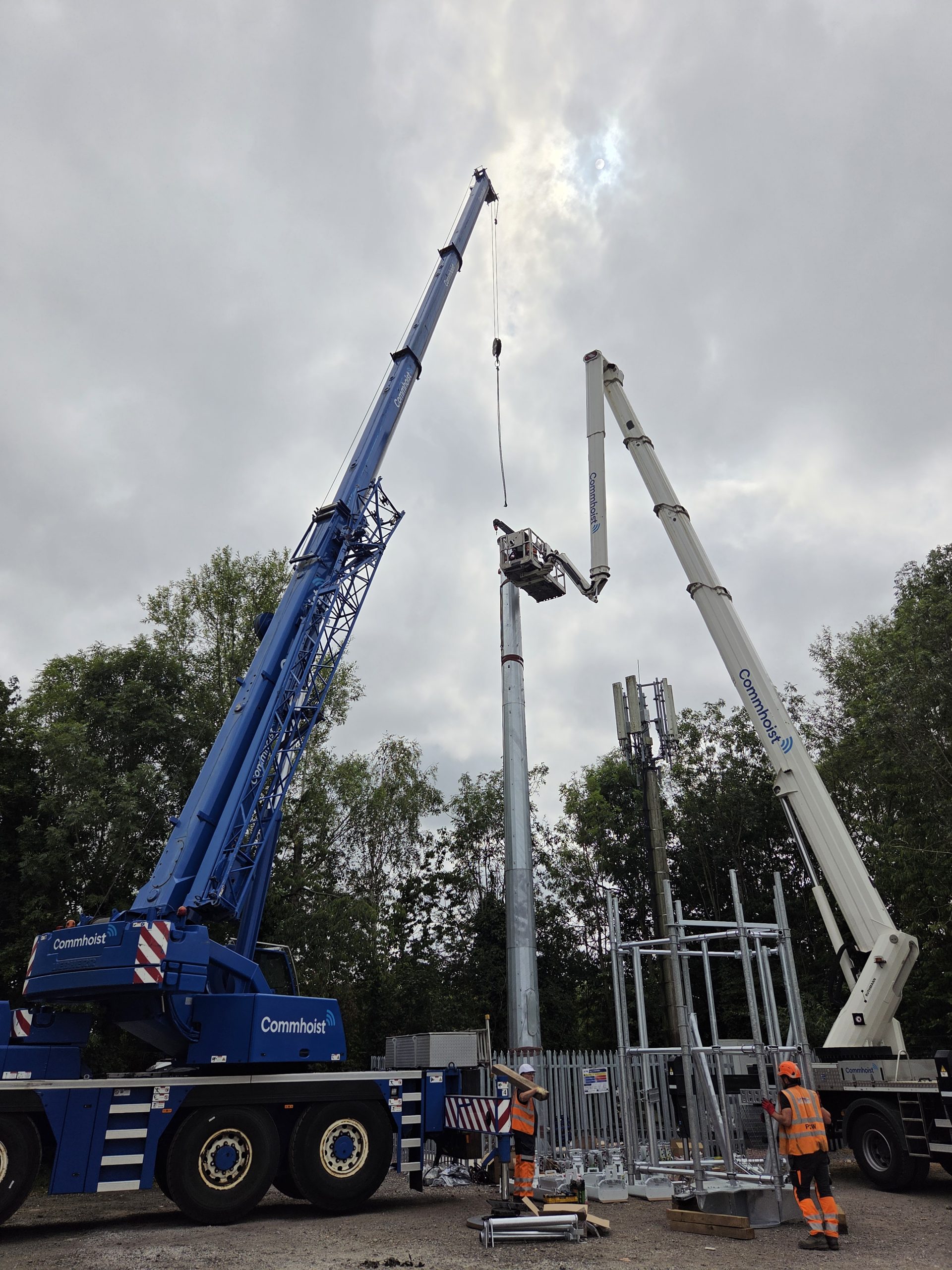
Every summer, the lifting and logistics industry enters a familiar period of pressure, a time when resource becomes more fragile and the operational rhythm of projects shifts. For mobile telecoms and energy, sectors already defined by precise lifts, coordination, and technical complexity, this seasonal change carries even greater significance.
Alongside this predictable seasonal pattern, the infrastructure industry is also navigating a broader skills challenge. As technology evolves and project demands increase, organisations are balancing the deep expertise of long‑standing specialists with the development needs of newer team members who are still building confidence and capability. This dynamic doesn’t fundamentally change the nature of summer planning, but it does make early planning even more valuable as it creates the conditions for people at all experience levels to deliver safely and effectively.
The summer squeeze itself is well understood. Teams become smaller as holidays peak. Working weeks shorten. Access windows narrow. Demand rises. And suddenly, the jobs that felt comfortably planned in spring begin to stretch the very people responsible for delivering them.
In lifting and logistics, people remain the first pressure point. They are the planners who map out intricate sequences, the technical teams who ensure safety and compliance, the APs and lift supervisors who make complex operations look effortless, and the drivers, slingers, and riggers who bring every job to life. Their experience is the backbone of safe, high‑quality delivery, but newer team members also play a crucial role, and they need the right environment to grow.
This is where early planning becomes a form of protection.
When work arrives with enough notice, teams can organise themselves thoughtfully. They can prepare documentation properly, coordinate equipment movements, and build the kind of operational plan that supports both safety and quality. They can also place their most experienced people where they’re needed most, while giving newer colleagues the space to learn, contribute, and develop without being thrown into a high‑pressure, last minute mobilisation.
But when jobs land late, especially during the summer squeeze, the entire system feels the impact. Mobilisation becomes compressed. Decision‑making becomes reactive. The space for proactive problem‑solving disappears. And the strain doesn’t just sit with individuals it ripples across projects, timelines, and client expectations.
In mobile telecoms, this strain is amplified by the nature of the work. Network upgrades, mast works, 5G deployments, and critical maintenance all rely on tightly controlled access windows and multidisciplinary coordination. A late‑arriving job can mean the difference between a smooth deployment and a delayed rollout. It can force teams to reshuffle carefully planned schedules, pull resource from other projects, or compress safety‑critical preparation into smaller windows than anyone would prefer, especially when specialist skills are already in high demand.
Energy projects face a similar challenge. Whether it’s substation upgrades, renewable infrastructure works, or heavy plant movement, these jobs demand meticulous sequencing. They operate within strict safety frameworks that leave little room for rushed planning, and they rely on specialist skills that are already stretched by summer availability. Late requests can place unnecessary pressure on teams who are doing everything they can to maintain high standards.
What becomes clear, year after year, is that summer isn’t just busy, it’s different. And the workforce isn’t just changing it’s evolving. The combination of seasonal strain and long‑term capability gaps means the industry must think differently about how work is planned and delivered.
Early planning isn’t simply an operational preference. It’s a strategic commitment to people, and performance. It allows teams to allocate resource intelligently, maintain safe working environments, and deliver consistent outcomes even when the calendar is under pressure. It protects the wellbeing of the people doing the work, preserves the quality that clients expect, and creates space for the next generation of talent to develop without being overwhelmed.
As we move deeper into the busiest stretch of the year, one truth stands out: early planning is one of the simplest, most effective ways to navigate both the summer resource squeeze. It’s a habit that strengthens operational resilience, supports healthier working cultures, and ensures that critical infrastructure projects continue to move forward without unnecessary strain.


Comments are closed