

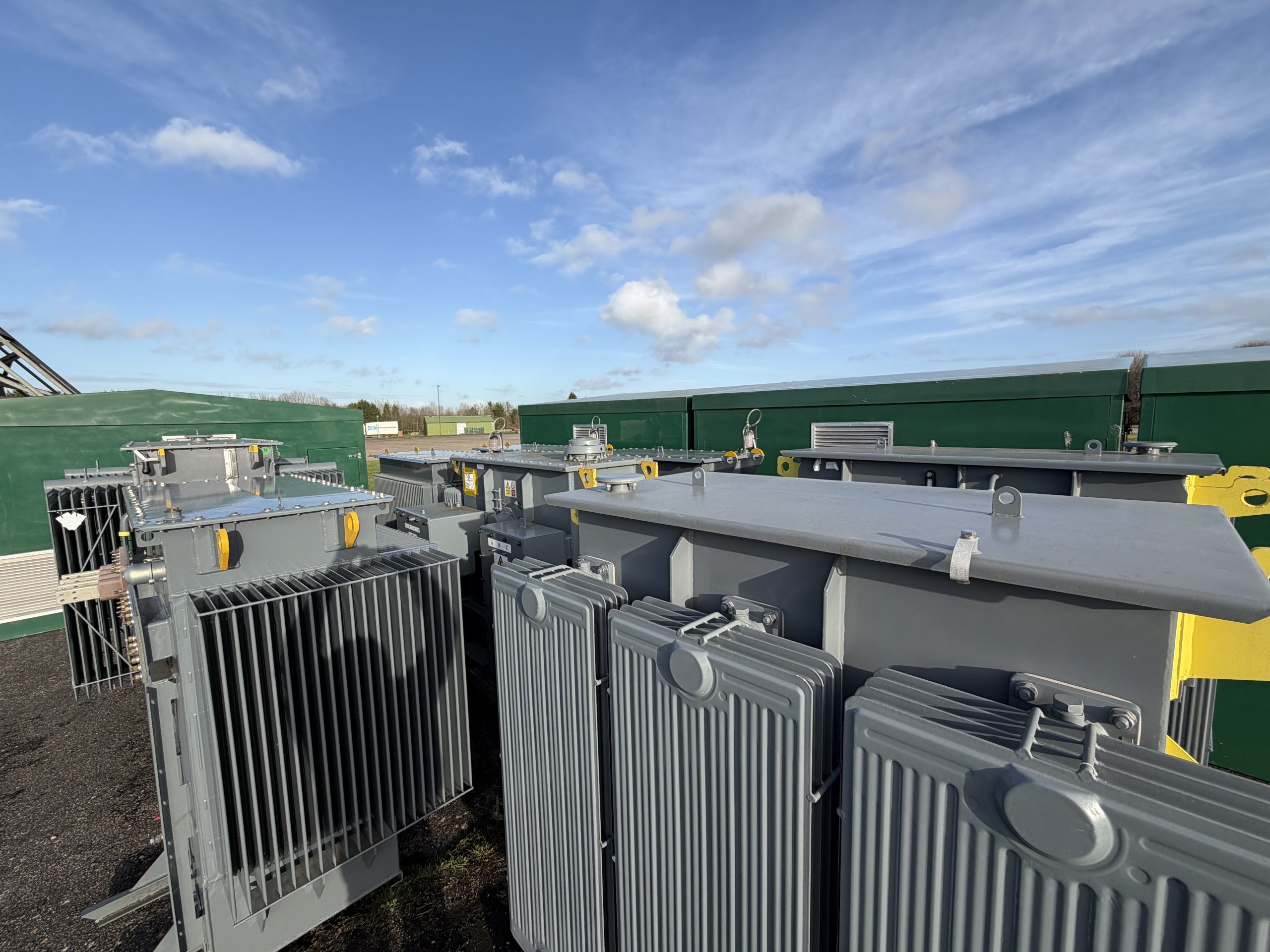
The UK’s energy transition is often discussed in terms of technology, policy and investment. The focus is understandable. Delivering a cleaner, more resilient energy system will require significant innovation and substantial capital investment over many years, yet there is another dimension to the challenge that receives far less attention, and that’s delivery.
According to the UK infrastructure pipeline, energy remains the country’s largest area of planned infrastructure investment, accounting for approximately £365 billion over the next decade. At the same time, regulators and network operators are working through major reforms aimed at improving connections and supporting increasing demand from transport, heating and industry.
The scale of ambition is clear, but the challenge is turning that ambition into operational reality, and this is where the telecoms sector offers an interesting point of comparison.
Over the past three decades, mobile network operators and infrastructure providers have overseen multiple generations of network deployment. From 3G and 4G to 5G, the sector has repeatedly delivered national infrastructure programmes that required thousands of sites, complex stakeholder coordination and long term investment, but maybe more importantly, telecoms did not solve these challenges through technology alone.
Many of its biggest successes came through the gradual development of scalable delivery models, with processes becoming more consistent as supply chains matured. Contractor ecosystems evolved and organisations learned how to deploy infrastructure at scale rather than treating every site as a unique project.
Energy infrastructure now faces a similar challenge. The sector is entering a period where deployment speed, programme coordination and supply chain integration may become just as important as technology selection. In many respects, the challenge is not unlike the one telecoms has faced for years: how do you deliver complex infrastructure programmes repeatedly, efficiently and at scale?
Recent research highlights the ongoing challenges surrounding investment, planning, deployment and delivery across mobile infrastructure programmes. Despite the recognised economic value of next generation connectivity, reports continue to identify operational and regulatory factors that influence rollout speed and network expansion.
The telecoms industry has spent years learning how to navigate those realities. For the energy sector, the lesson is not to replicate telecoms delivery models’ wholesale.
The sectors are fundamentally different in many respects. However, there is value in understanding how large scale infrastructure ecosystems develop, and how supply chains mature and deployment capability evolves over time. Some of the most valuable lessons may be operational rather than technical.
As the energy transition accelerates, success will depend on more than policy decisions and funding commitments. It will require delivery systems capable of translating strategy into physical infrastructure on a national scale. Telecoms has already travelled much of that journey, and the question isn’t whether energy should follow the same path, but it is whether there are lessons along the way that can help the sector move faster, more effectively and ultimately with greater confidence.
Sources:
Infrastructure Pipeline update signals future workforce needs and Strategic energy planning and connections reform in 2026: putting plans into action [gov.uk], [ofgem.gov.uk]
Investment in Mobile Infrastructure: The UK’s Route to Growth and Growing Connections: The Challenges and Opportunities of Achieving Ubiquitous 5G Mobile Connectivity in the UK [cdn.prod.w…-files.com], [smf.co.uk]


Comments are closed