

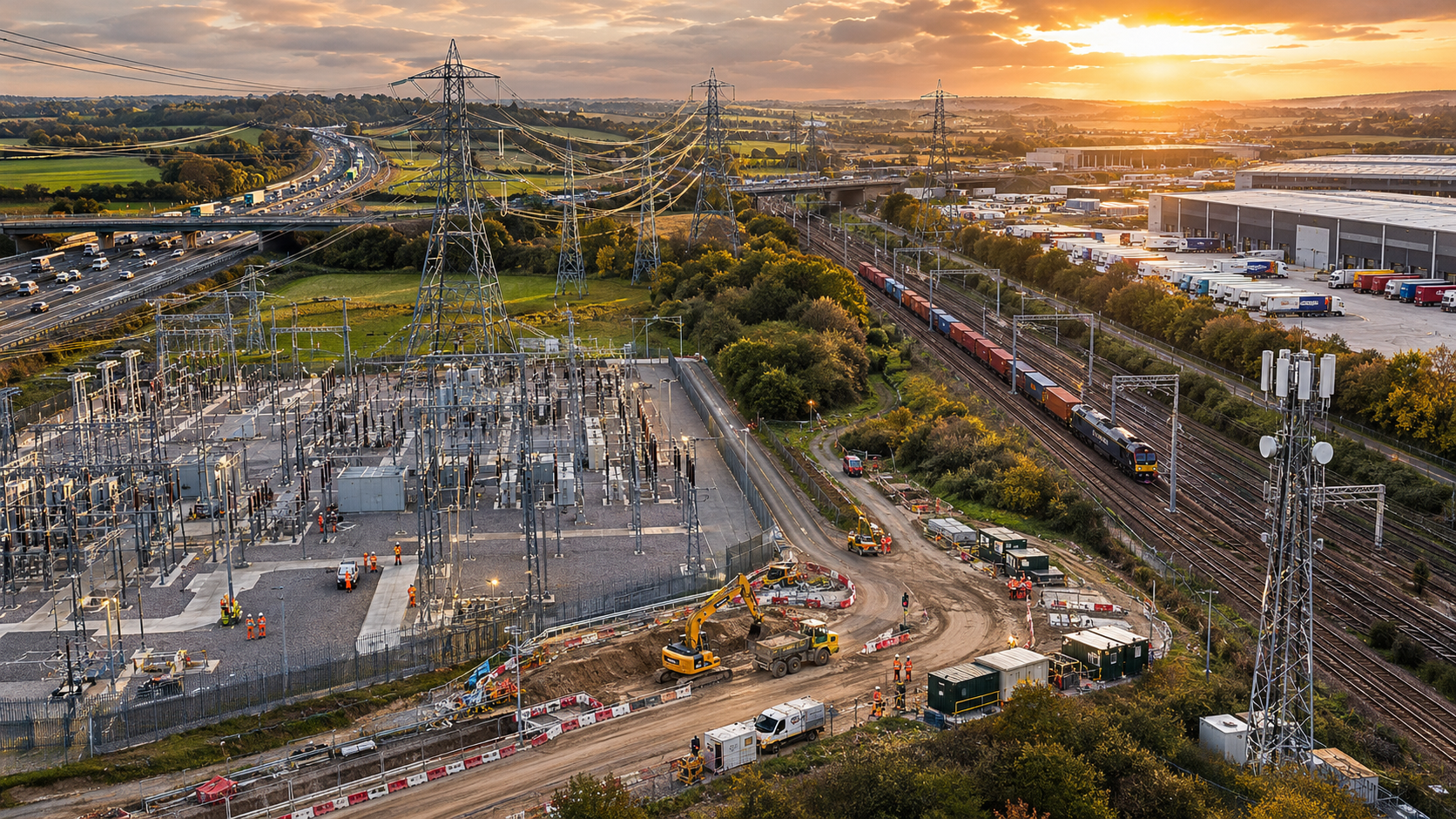
The UK is entering one of the most significant periods of infrastructure investment in a generation. According to the latest UK infrastructure pipeline, there are 734 planned projects representing approximately £718 billion of public and private sector investment over the next decade. Energy infrastructure alone accounts for around £365 billion of that total, while delivery is expected to require an annual workforce of between 629,000 and 706,000 people over the next five years.
Much of the discussion surrounding this investment focuses on funding, workforce capacity and technical innovation. These are all important considerations. Yet there is another factor that receives far less attention despite influencing the success or failure of almost every major programme.
Infrastructure leaders rarely talk about certainty directly, but its absence sits behind many of the delays, inefficiencies and frustrations that emerge during delivery. Programmes may be fully funded, contractors appointed and resources mobilised, yet progress can still be disrupted by a series of seemingly minor issues. A permit takes longer than expected. A design changes late in the process. Site access is postponed. A critical dependency is overlooked, and then timelines shift.
Individually, these challenges are rarely enough to derail a programme. The real issue is the cumulative effect they create across a delivery ecosystem that is increasingly interconnected.
Infrastructure projects do not operate in isolation, every activity has dependencies, and every delay has consequences. A change in one area can quickly affect workforce planning, equipment availability, contractor scheduling and supply chain coordination elsewhere. A project team may absorb a delay, but the wider programme often absorbs the cost.
This challenge is only becoming more pronounced. As the UK accelerates investment in clean energy, digital connectivity and critical infrastructure, projects are becoming larger, more complex and more dependent on collaboration between multiple organisations. At the same time, government and regulators continue to focus on reforming infrastructure delivery processes. For example, Ofgem has identified connections reform and strategic energy planning as critical to achieving Clean Power 2030, highlighting the need for a more effective and efficient delivery environment.
Against this backdrop, certainty begins to look less like a project management objective and more like a strategic asset.
The organisations that consistently deliver successful projects are rarely those with unlimited resources. More often, they are the organisations that create predictable delivery environments. They reduce ambiguity, improve visibility, manage interfaces effectively and provide their supply chains with the confidence needed to plan ahead.
There is an understandable tendency within infrastructure to focus on cost reduction and efficiency gains. However, some of the greatest savings may ultimately come from reducing uncertainty itself. Predictable programmes enable better decision-making, more effective resource utilisation and stronger delivery performance throughout the supply chain.
As infrastructure investment continues to accelerate, the industry may need to rethink how it defines competitive advantage. Technology will matter. Funding will matter. Skills will matter. But the ability to create certainty may prove to be just as valuable.
Sources:
Infrastructure Pipeline update signals future workforce needs
Strategic energy planning and connections reform in 2026: putting plans into action


Comments are closed